-
How AI-Assisted Minute Taking Can Improve Efficiency, Accuracy, and Accountability
Meetings are an essential part of modern organizations. They provide opportunities to share information, solve problems, make decisions, and coordinate work across teams. For boards and leadership groups, meetings can be especially important because they are often where strategic decisions, policies, and organizational priorities are discussed and approved. However, the value of a meeting does…
-
Humans and AI: Can We Work Together in Meeting Minute Taking?
AI is rapidly changing the way organizations work. From drafting emails to analyzing data, artificial intelligence has become an increasingly common tool for improving efficiency and reducing administrative workloads. One area where AI has gained significant attention is meeting documentation. AI-powered tools for meeting minutes are now everywhere. They promise real-time transcription, automated summaries, speaker…
-
AI-Assisted Minute Taking: Combining Technology with Human Judgment
Artificial Intelligence (AI) has become an increasingly useful tool for organizations looking to improve efficiency and reduce the amount of time spent on routine administrative work. Meeting minutes are one area where AI can provide significant assistance. AI-powered meeting tools can record conversations, create transcripts, identify speakers, summarize discussions, and highlight potential action items. However,…
-
The Keys to Effective Board Meetings: From Agendas to Meeting Minutes
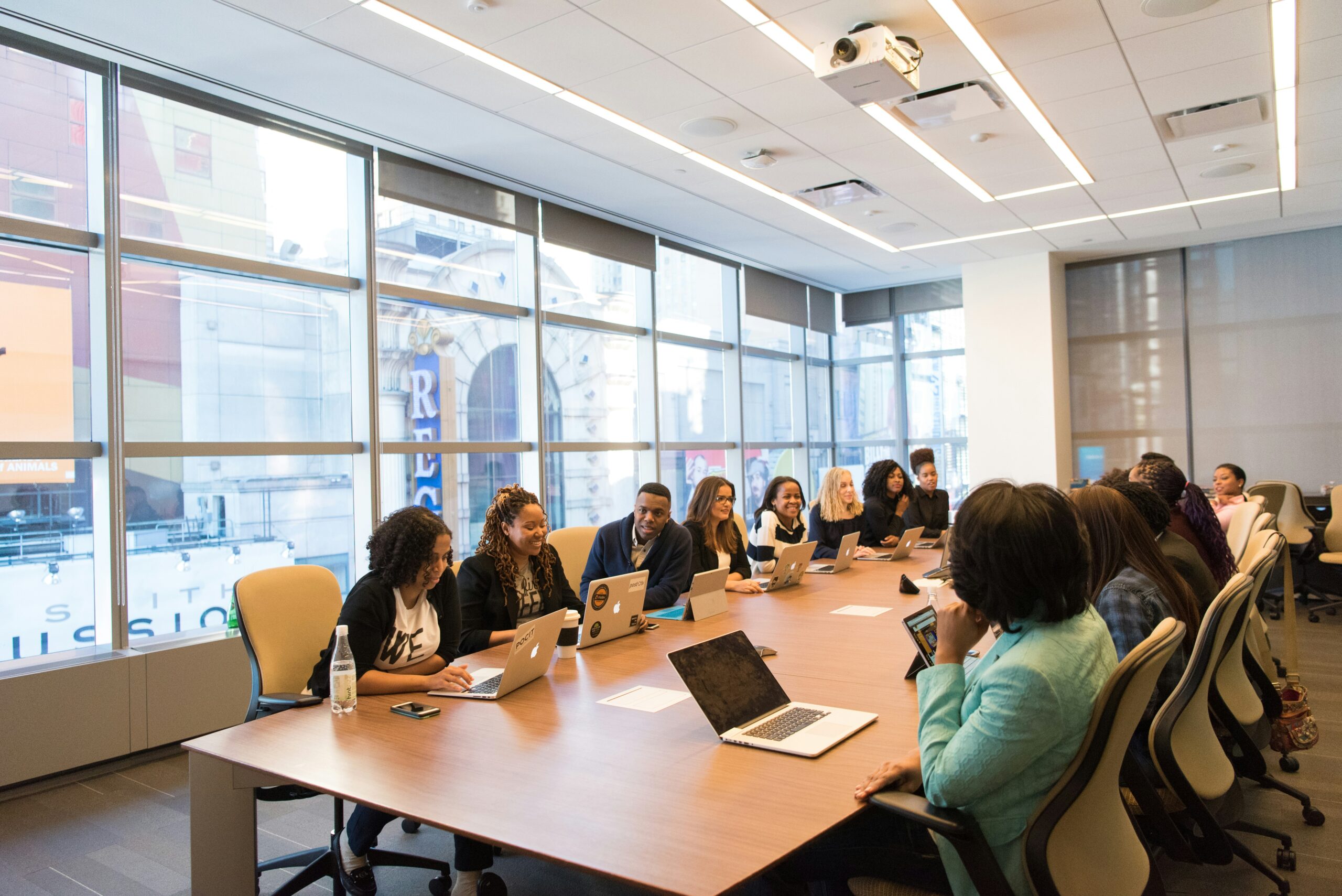
Board meetings are the driving force behind an organization’s governance and long-term success. They provide leaders with the opportunity to evaluate progress, discuss challenges, make strategic decisions, and establish priorities for the future. Whether an organization is a nonprofit, corporation, homeowners association, or small business, the effectiveness of its board meetings often determines how efficiently…
-
Note-Taking vs. Minute-Taking: Why Meeting Minutes Matter
Whether you’re attending a classroom lecture, participating in a team meeting, or documenting a board meeting, capturing information accurately is an essential professional skill. However, not all forms of documentation serve the same purpose. While note-taking and minute-taking both involve recording information, they differ significantly in their objectives, level of detail, and intended audience. Understanding…
-
Organized Meeting Minutes in the Age of AI
Meeting minutes are more than a written record of what happened during a meeting—they are an essential tool for communication, accountability, and decision-making. Well-organized minutes document key discussions, decisions, assigned tasks, and deadlines so that everyone leaves with a shared understanding of what comes next. As artificial intelligence continues to reshape the workplace, many organizations…
-
How Minute-Taking Builds Valuable Professional Skills
When people think about minute-taking, they often picture someone quietly typing notes in the background of a meeting. However, effective minute-taking involves much more than simply recording what was said. In fact, the skills developed through minute-taking can strengthen professional performance in nearly any career field. Whether supporting a board meeting, a government agency, a nonprofit organization,…
-
Smart Meetings and Stronger Outcomes: How Technology and Effective Minutes Drive Better Governance
Board meetings are where important decisions are made, strategies are shaped, and organizational goals are advanced. Yet even the most productive discussions can lose their value if key decisions, action items, and responsibilities are not properly documented. As organizations increasingly adopt new technologies to improve collaboration and efficiency, combining these tools with strong minute-taking practices can significantly…
-
Improving Meeting Minutes Through Feedback and Visual Communication
Effective meeting minutes are an essential part of organizational communication. They provide a reliable record of decisions, discussions, and action items while also helping absent participants stay informed. As workplaces continue to evolve, organizations are finding new ways to make meeting minutes more accurate, engaging, and useful. Two of the most effective strategies are creating…
-
Physical and Virtual Security with Minute Taking
Physical security is another essential layer of protecting confidential business information. Many organizations implement physical security measures throughout their offices and facilities to control access and reduce risk. These safeguards often include ID badges that must be scanned before entering secure areas, visible employee credentials, monitored entry points, motion sensors, restricted access doors, and closed-circuit television (CCTV)…
-
The Essential Skills and Support Systems Behind Effective Minute-Taking
Minute-taking is often seen as a straightforward administrative task. However, it requires a thoughtful combination of soft skills, preparation, and organizational support. Strong meeting minutes are the result of both a skilled minute-taker and a well-structured process before, during, and after the meeting. The Core Soft Skills Every Minute-Taker Needs At its foundation, minute-taking relies heavily on…
-
From Conflict to Clarity: How Strong Meeting Minutes Prevent Disputes and Strengthen Collaboration
Meeting minutes are often treated as a routine administrative task, but they are one of the most powerful tools an organization has for preventing conflict and improving collaboration. When done well, minutes serve as a reliable, shared source of truth. When done poorly, they can create confusion, fuel disagreements, and weaken trust across teams. This…
-
Recording Meetings vs. Written Minutes: Why Accuracy Still Matters in High-Stakes Settings
As workplaces continue to embrace virtual and hybrid environments, recording meetings has become increasingly common. Tools like Zoom and Microsoft Teams allow organizations to capture full discussions, making it easier to revisit conversations and support minute-taking. At the same time, in legal or disciplinary settings, the importance of accurate written minutes remains critical. While recordings can enhance efficiency and…
-
Smarter Meetings: Reducing Fatigue and Using AI to Work More Efficiently
In today’s workplace, meetings are unavoidable. Since the pandemic, employees have reported attending more meetings than ever, especially in virtual and hybrid environments. While meetings are essential for collaboration, they are also one of the leading causes of workplace fatigue. Surveys consistently show that excessive meetings and lack of clear purpose drain energy and reduce…
-
Objectivity and Conflict Resolution: Strengthening Decision-Making in HOA Board Meetings
HOA board meetings play a critical role in shaping the direction, culture, and operations of a community. These meetings are where financial decisions are made, policies are discussed, and community standards are upheld. However, even in structured environments, unconscious bias and interpersonal conflict can quietly undermine productive dialogue. The reality is this: conflict is inevitable,…
-
From Courtroom to Boardroom: Selecting the Right Professional Recording Service
Accurate documentation is the foundation of effective decision-making in legal, corporate, and organizational settings. Whether in a courtroom, boardroom, or business meeting, a clear and reliable record ensures accountability, transparency, and continuity. While court reporting and professional minute-taking services serve different purposes, both play a critical role in preserving the integrity of proceedings and supporting…
-
Making Board Meetings Effective: Robert’s Rules, Best Practices, and Practical Strategies
Board meetings do not have to feel disorganized, drawn out, or unproductive. With the right structure and shared expectations, meetings can become focused, inclusive, and genuinely effective. By combining Robert’s Rules of Order with modern best practices for meeting management, boards can improve decision-making, encourage participation, and strengthen overall governance. Effective meetings balance structure with…
-
Protecting Confidential Information: Best Practices for Data Privacy and Meeting Documentation
In today’s digital-first business environment, data privacy and confidentiality are no longer optional. They are now essential responsibilities. Organizations across all industries handle sensitive information daily, from customer data to internal strategic discussions. With increasing regulatory requirements and heightened awareness of data breaches, businesses must take a proactive approach to protecting confidential information at every…
-
From Effective Symposiums to Actionable Outcomes: How to Facilitate Meetings That Deliver Results
Facilitating a symposium or large meeting requires thoughtful planning and execution to ensure that participants are engaged and the event achieves its objectives. However, even the most well-run gathering can lose its impact if discussions are not translated into clear, actionable next steps. Successful meetings rely on both strong facilitation and well-documented action items. Set Clear Objectives Start…
-
Humans and AI: Can We Work Together?
AI-powered tools for meeting minutes are everywhere. They promise fast transcription, automated summaries, and instant action items. These are often at a low or no upfront cost. Marketed as productivity boosters, tools like Otter.ai, Fireflies.ai, Zoom AI Companion, and Fathom can truly reduce administrative effort. However, efficiency alone does not equal accuracy, professionalism, or discretion. When it comes to official…