
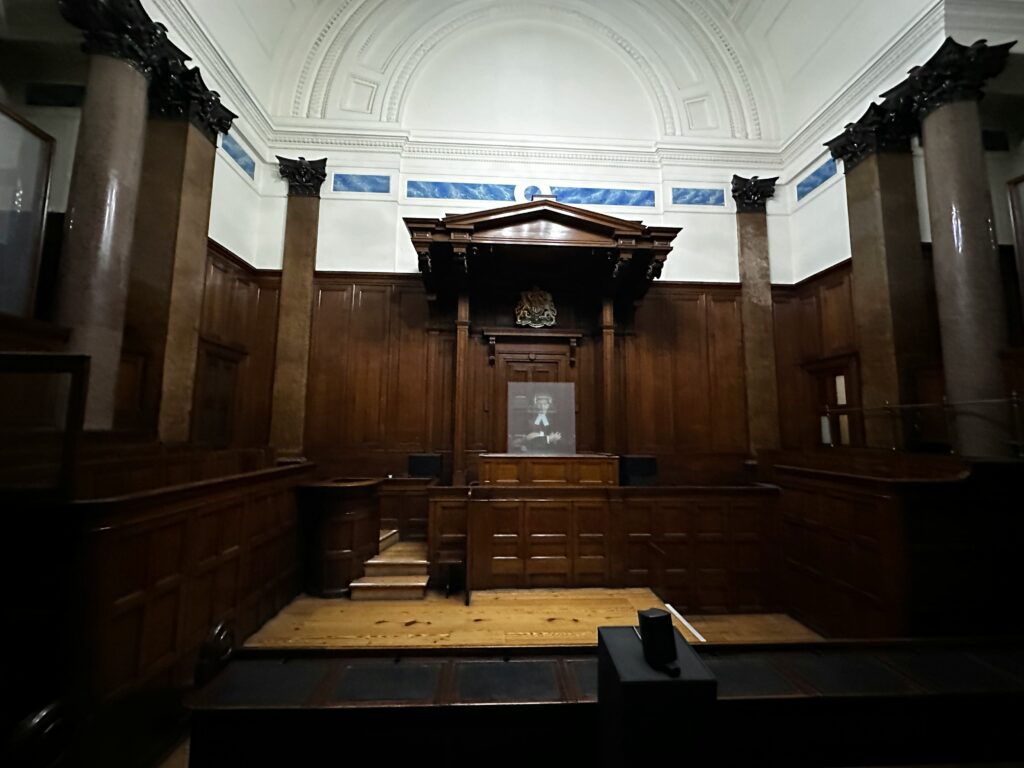
Court reporting is one of the most essential yet often overlooked professions within the legal system. Court reporters create accurate, verbatim records of spoken proceedings during trials, hearings, depositions, arbitrations, legislative sessions, and professional meetings. Their work ensures that legal and official discussions are documented clearly, preserved accurately, and transformed into reliable records that support accountability and decision-making.
At the same time, successful legal proceedings and professional meetings require more than accurate transcription alone. Effective facilitation, organized communication, and clearly documented action items are critical to ensuring that discussions lead to meaningful outcomes rather than unresolved conversations. Court reporters play a central role in supporting this process by preserving the integrity of the record and helping organizations maintain clarity and accountability.
The Role of Court Reporters in Legal and Professional Proceedings
Court reporters work in real time to capture every spoken word using specialized technology such as stenographic machines, voice writing systems, and digital reporting equipment. Their transcripts become part of the official legal or organizational record and are relied upon by attorneys, judges, legislators, corporations, and government agencies.
There are several types of court reporters, each serving a unique role within the profession.
- Freelance Court Reporters
Freelance court reporters are commonly hired by attorneys, corporations, unions, and law firms to provide transcription services for depositions, arbitrations, meetings, and other proceedings outside of traditional courtrooms. These professionals often operate independently and work across many industries.
- Hearing Court Reporters
Hearing reporters specialize in recording proceedings using advanced audio and reporting technologies. Many also provide real-time captioning services, which improve accessibility for participants who are deaf or hard of hearing and allow attendees to follow proceedings live on electronic devices.
- Legislative Court Reporters
Legislative court reporters transcribe governmental proceedings such as state legislative sessions, city council meetings, and congressional hearings. Their work preserves debates, votes, and public discussions for legal recordkeeping and historical reference.
- Official Court Reporters
Official court reporters are employed directly by courts and judges to maintain the official courtroom record. They are often assigned to complex or high-profile cases and are responsible for ensuring accuracy throughout legal proceedings.
- Scopists
Another important professional within the field is the scopist. Scopists work closely with court reporters to edit and refine transcripts for accuracy, consistency, grammar, and formatting. Their support helps maintain high professional standards while allowing reporters to manage demanding workloads efficiently.
Why Accurate Court Reporting Matters
Court reporters are far more than typists or note-takers. They undergo years of specialized education and training to develop the speed and precision required for real-time transcription. Many experienced reporters can accurately capture speech exceeding 280 words per minute while maintaining exceptional attention to detail.
Their work supports transparency, due process, fairness, and accountability throughout the legal system. Accurate transcripts ensure that testimony, rulings, objections, and procedural discussions are preserved exactly as they occurred.
Although artificial intelligence and automated transcription technologies continue to improve, human court reporters remain critically important. Automated systems may misinterpret speech, fail to identify speakers correctly, or record background conversations that are not part of the official proceeding. Human reporters can distinguish between testimony, side conversations, procedural dialogue, and interruptions while requesting clarification when necessary to ensure the record is accurate.
Facilitating Effective Meetings and Proceedings
Whether in a courtroom, arbitration, deposition, legislative hearing, or professional symposium, effective facilitation is essential to keeping proceedings organized and productive.
- Set Clear Objectives
Every meeting or proceeding should begin with a clearly defined purpose. Are participants gathering to share information, solve a problem, reach a legal agreement, or make decisions? Establishing objectives helps guide discussions and ensures everyone understands the desired outcome.
- Create an Engaging Agenda
A well-structured agenda keeps participants focused and engaged. Effective agendas balance presentations with opportunities for discussion, questions, and collaboration. Long sessions should include short breaks or networking opportunities to maintain energy and concentration.
- Choose the Right Venue or Platform
Proceedings should take place in an environment equipped with reliable technology and appropriate accommodations. For virtual meetings or remote depositions, platforms should support features such as live captioning, breakout rooms, screen sharing, and real-time interaction.
- Encourage Participation
Successful meetings encourage balanced participation among attendees. Facilitators should incorporate interactive elements such as Q&A sessions, group discussions, or live polling while ensuring no single individual dominates the conversation.
- Manage Time Effectively
Time management is critical in legal and professional settings. Starting and ending on schedule helps maintain professionalism and ensures all agenda items are addressed. Moderators or facilitators should monitor discussions closely to prevent unnecessary delays.
- Handle Group Dynamics Professionally
Productive proceedings depend on respectful communication and balanced discussion. Facilitators should establish clear expectations for conduct while keeping conversations focused on the objectives of the meeting or hearing.
- Turning Discussions Into Actionable Outcomes
One of the most important outcomes of any legal proceeding or professional meeting is the creation of clear action items. Without well-documented follow-up tasks, even productive discussions may fail to produce meaningful results.
Court reporters contribute significantly to this process by providing accurate records that help organizations track decisions, responsibilities, and deadlines.
- Document Clear Action Items
Action items should clearly explain what task must be completed, who is responsible, when it must be completed, why the task matters, and what successful completion looks like.
Using direct language and strong action verbs such as finalize, complete, develop, secure, or submit improves clarity and accountability.
- Assign Ownership
Every action item should have a designated owner. Assigning responsibility ensures accountability and gives team members a clear point of contact for updates and follow-up communication.
- Establish Deadlines
Specific deadlines help prioritize tasks and create urgency. Clear due dates allow participants to organize responsibilities and maintain progress after the meeting or proceeding concludes.
- Define Success Criteria
Clearly defined success criteria eliminate ambiguity and help ensure expectations are understood. Participants should know exactly what constitutes completion of each assigned task.
- Use a Consistent Format
Organizations often benefit from using a standardized format for documenting action items:
- Action Item: Description of the task
- Owner: Responsible individual
- Deadline: Due date or timeframe
- Purpose: Reason the task is important
- Success Criteria: Measurable definition of completion
This structure improves organization, simplifies follow-up, and enhances accountability across teams and legal proceedings.
The Future of Court Reporting
As legal proceedings and professional meetings continue evolving through remote technology and digital communication, the demand for accurate, reliable court reporting remains strong. Court reporters not only preserve the official record but also support accessibility, organization, and procedural integrity across a wide range of industries.
The profession requires dedication, discipline, technical skill, and ongoing certification. Aspiring court reporters complete rigorous training programs involving speed development, legal terminology, and accuracy testing before entering the field professionally.
Despite advances in automation, the human judgment, adaptability, and precision provided by trained court reporters remain irreplaceable in many settings.
Conclusion
Court reporting serves as the backbone of legal and governmental proceedings by preserving accurate, trustworthy records of spoken communication. At the same time, effective facilitation and well-documented action items ensure that meetings, hearings, and proceedings lead to productive outcomes rather than stalled discussions.
By combining strong communication practices with precise documentation, organizations can improve accountability, maintain transparency, and ensure that important decisions are translated into meaningful action. Court reporters remain essential professionals in supporting these goals through their technical expertise, ethical responsibility, and commitment to accuracy.
Reference
NCRA. (2026). What is court reporting? https://www.ncra.org/home/the-profession/Court-Reporting